



Single-room underfloor heating: kits, and connecting to existing radiator pipes
How to heat one room with underfloor heating, how a single-room mixing pump pack connects to radiator pipes, how big one loop can be, and the controls you need.
Short answer: Yes, you can connect water underfloor heating for one room to your existing radiator pipes, but not directly. Tee into the radiator flow and return and feed the floor through a single-room mixing pump pack, which blends the water down to floor temperature and pumps it round the loop. Add a room thermostat and, if you want the room heated on its own schedule, a zone valve wired to fire the boiler. For a small bathroom or kitchen, an electric mat is often the simpler choice.
Most people who want underfloor heating in one room, such as a new kitchen, an extension or a bathroom, do not want a full manifold system. The good news is that a single room is one of the easiest UFH jobs there is. The question is how to get heat from a boiler and radiator circuit, which runs hot, into a floor that needs much cooler water.
This guide explains the four ways to heat a single room, how big a room one loop can cover, how a single-room pack connects to radiator pipes, the controls you need to keep it legal and working, and what goes in a typical kit. For a whole floor or several rooms, see UFH with a combi or system boiler instead.
Can you connect underfloor heating to radiator pipes?
Yes, as long as you control the water temperature. Radiator water can be 55°C or hotter, and a screeded floor should not see supply water above 55°C. A floor finish needs much less than that.
There are two safe ways to do it:
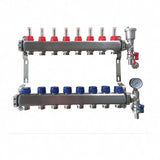
- A single-room mixing pump pack. A thermostatic mixing valve blends hot radiator water with cooler water returning from the floor, and a small pump circulates the loop. Our packs mix to between 35 and 60°C at the floor loop.
- A return temperature limiting (RTL) valve. A valve in a wall box throttles the flow so the water leaving the loop stays at a set temperature. It has no pump and no wiring, but it only suits small areas, and it is meant to work with a radiator in the same room.
Never connect UFH pipe straight to a radiator tail with no temperature control. The floor will run too hot for the screed and the finish, and you will have no way to set it.
What are the options for underfloor heating in one room?
Pick by room size, heat source and how much floor height you have.
| Option | Best for | Key points |
|---|---|---|
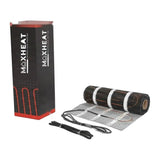
| Electric mat or loose cable | Bathrooms, en-suites, small kitchens | 3 to 4mm thick, no plumbing, electrician connects it |
| Single-room mixing pump pack | One room, one loop, off a radiator or boiler circuit | No manifold, pump and mixing valve in one unit |
| RTL valve | Small floor areas next to a radiator | No pump or power, one maker limits it to 20m² |
| Small manifold with blending pump pack | Large rooms or extensions needing two or more loops | Balanced loops, room for future zones |
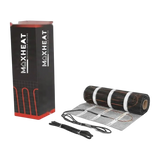
Electric suits rooms that are small or used for short spells, because the running cost grows with the area you heat. Our guide to water vs electric underfloor heating and UFH running costs compare the two in detail. Our 150W/m² electric mats come in sizes from 1.0m² to 12.0m².
How big a room can one underfloor heating loop cover?
About 13 to 18m² of heated floor, depending on pipe spacing, if you keep a 16mm loop to 100m. Pipe makers set 100m as the usual maximum loop length for 16mm pipe.
| Pipe centres | Pipe per m² | Floor covered by a 100m loop (8m of tails) |
|---|---|---|
| 100mm | 10m | About 9m² |
| 150mm | 6.7m | About 13.7m² |
| 200mm | 5m | About 18m² |
Heated floor area is the free floor, not the whole room. Leave out fitted kitchen units, islands, baths and shower trays. Fixed units block the heat, and pipes under appliances such as a fridge make them work harder.
If the room is larger than one loop can cover, use two loops on a small Dualmix manifold with a blending valve pump pack.
How do you connect a single-room UFH pack to radiator pipes?
Tee into the flow and return of a two-pipe radiator circuit, as close to the boiler as is practical, and run them to the pack. Here is the usual order.
- Find a two-pipe flow and return. The pipes that fed a radiator you are removing are often the easiest. Check they are the flow and return of a pumped, two-pipe system and that they are big enough for the extra heat.
- Fit isolation valves. Ball valves on the primary flow and return let you service the pack without draining the house.
- Mount the pack on the wall, at the room's edge, where you can reach it. Our single-room mixing pump pack comes pre-assembled with primary isolation valves and a pre-wired pump terminal box.
- Connect the floor loop to the pack's mixed flow and return.
- Fill, purge and pressure test the loop before the floor is covered.
- Set the mixing valve. Start low and raise it in stages during the first heat-up, never faster than the screed allows.
Plan for the heat the room will take. One pipe maker's single-room guide uses about 100W per m² of floor as the maximum heat input, so a 20m² room needs about 2kW from the boiler. Make sure the boiler and the pipe you tee into can supply that on top of the radiators. Work on the boiler itself must be done by a Gas Safe engineer.
Design your UFH system yourself in 3 minutes with MaxHeatUFH ProLoop and get an instant quick design and quote. Start your design
Will the underfloor heating work when the radiators are off?
Only if you wire it to call for heat. If the pack is simply plumbed onto the radiator circuit, the floor gets heat only when the main heating is on. A pipe maker's single-room guide warns that tying into the existing circuit this way "will not allow independent control" of the UFH.
To heat the room on its own schedule:
- Fit a 2-port zone valve on the UFH branch. Our 2-port motorised zone valve comes in 22mm and 28mm.
- Wire the room thermostat to open the zone valve and run the pack's pump.
- Use the zone valve's switch to send the boiler a call for heat. This is the boiler interlock.
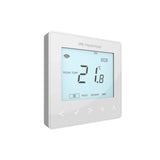
Part L requires boiler interlock, so the boiler and pump switch off when nothing is calling for heat. When the boiler is replaced, each room also needs its own thermostatic control, and a UFH room thermostat gives you that. A simple wired stat such as the Heatmiser DS1 does the job, or see UFH thermostats explained for programmable and smart options. Electrical work must be done by a competent person.
What floor build-up does a single-room kit need?
The same as any water UFH floor: insulation under the pipe, then a layer that spreads the heat. Your existing floor decides which one.
- New extension slab: insulation, edge strip, pipe clipped down, then screed. A sand and cement screed should be at least 65mm thick in a home. Cement screed should not be heated for at least 21 days, calcium sulphate for at least 7 days.
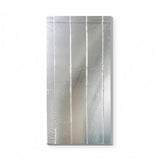
- Existing solid floor: a low-profile overlay, such as our MaxHeatPanel routed board that you can tile directly onto.
- Timber floor: spreader plates between the joists or grooved chipboard.
Lower-tog floor finishes give more heat at the same water temperature. One pipe maker's figures for a 65mm screed at 200mm centres show about 95W/m² under tiles but 58W/m² under carpet and underlay, both at 50/40°C flow and return.
When should you use an RTL valve instead?
Use an RTL valve for a small area where a radiator stays in the room to do the main heating, such as a cold kitchen floor or a small bathroom. One maker's unit suits a heated floor up to 20m² on one loop.
- It needs no pump and no power, so it is cheap and quick.
- It limits the water leaving the floor, adjustable from about 10 to 40°C on that unit.
- The floor only warms when the radiator circuit is running.
- The maker states the radiator, not the floor, controls the room temperature.
- Its loop should be laid in a spiral pattern, so warm and cooler pipe sit side by side.
If the floor has to heat the room on its own, use a mixing pump pack instead.
Frequently asked questions
Can I run underfloor heating off a combi boiler for one room?
Yes. A combi can feed a single-room pack through a tee on the radiator flow and return. Wire the UFH thermostat so it can fire the boiler if you want the room heated on its own.
Do I need a manifold for one room of underfloor heating?
Not for one loop. A single-room mixing pump pack runs one circuit directly. If the room needs two or more loops, use a small manifold so you can balance them.
What temperature should a single-room UFH pack be set to?
As low as keeps the room warm. One pipe maker gives 50°C as a typical setting for a screeded floor. Never go above 55°C into a cement or calcium sulphate screed.
Can I connect underfloor heating to a microbore or one-pipe system?
Single-room packs and RTL valves are made for a pumped two-pipe flow and return. Get a heating engineer to check an older system before you tee in.
Can I connect UFH to a heated towel rail circuit?
Only if that circuit is a proper flow and return from the boiler that runs when the UFH needs heat. Some towel rails sit on circuits that only run with the hot water, so check first.
Is a single-room kit a DIY job?
Laying pipe and boards is within reach of a competent DIYer. The tie-in to the heating, any boiler work and the electrical connection should be done by a qualified engineer and electrician.
How long does single-room UFH take to warm up?
It depends on the floor. A screed takes hours to warm, an overlay much less.
Sources: BEAMA Part L 2022 heating controls guidance, Homebuilding & Renovating: UFH under kitchen cabinets, and manufacturers' installation guidance to BS EN 1264
Products in this guide
Watch how each part works and how to fit it, and download its data sheet and install manual.


Every data sheet and manual: Product Library · All videos: MaxHeatUFH on YouTube

Design it in MaxHeatUFH ProLoop
Add your rooms, choose screed, overlay, joisted or electric, and get a free quick design and full kit list with prices.


