

Oxygen barrier UFH pipe: what EVOH does and why it matters
What an oxygen barrier in underfloor heating pipe does, the DIN 4726 limit, EVOH versus aluminium barriers, 3-layer versus 5-layer PERT-EVOH, and what to do if an old floor has no barrier.
Short answer: An oxygen barrier is a layer in plastic heating pipe that stops oxygen in the air passing through the pipe wall into the heating water. In PERT-EVOH pipe that layer is EVOH (ethylene vinyl alcohol); in multilayer pipe it is aluminium. Without it, oxygen gets into the water and corrodes iron and steel parts such as the pump, boiler or heat pump. Barrier pipe is tested to DIN 4726, which limits oxygen getting through to 0.32mg per m² of pipe surface per day at 40°C.
Every wet underfloor heating (UFH) system uses plastic or multilayer pipe in the floor, and every plastic lets a little gas through it. Over a whole house that can be hundreds of metres of pipe, all buried in screed or boards for decades. If oxygen can get through, it keeps getting through for the life of the floor.
This guide explains what the barrier does, how EVOH and aluminium barriers compare, the difference between 3-layer and 5-layer PERT-EVOH, and what to do if your existing floor has no barrier. For a wider comparison of pipe types, see our guide to UFH pipe types compared.
Why does oxygen in the pipe matter?
Oxygen dissolved in heating water corrodes any iron or steel it reaches. One manufacturer's technical bulletin on oxygen diffusion explains that uncoated polymer pipes let some oxygen pass through the wall. It then dissolves into the water and attacks ferrous parts of the system: pipes, valves, pumps and the boiler.
The damage builds up slowly. Corrosion produces black sludge (magnetite) that settles in the manifold, pump and heat exchanger. Flow drops, pumps wear, and in time parts fail. Heat pumps are just as much at risk, because their pumps and heat exchangers sit in the same water.
Burying the pipe does not stop it. One manufacturer notes that concrete is porous, so oxygen passes through a screed easily. A barrier in the pipe wall is the only thing that slows it down.
What does DIN 4726 say about oxygen barrier pipe?
DIN 4726 is the German standard that sets the oxygen limit UFH barrier pipe is tested against. It measures how much oxygen passes through each square metre of pipe surface per day.
| Water temperature | DIN 4726 limit |
|---|---|
| 40°C | 0.32mg/(m²·day) |
| 80°C | 3.60mg/(m²·day) |
Older versions of the standard used a volume-based limit of 0.10g per m³ of water per day. The current limits are based on pipe surface area. One manufacturer also notes that under DIN 4726, where a system uses pipe above these limits, the designer must take other steps to protect against corrosion.
The standard allows more oxygen at 80°C than at 40°C. UFH runs well below 80°C in any case, so a boiler-fed floor should always run through a blending valve rather than at boiler temperature.
What is EVOH and how does it compare with aluminium?
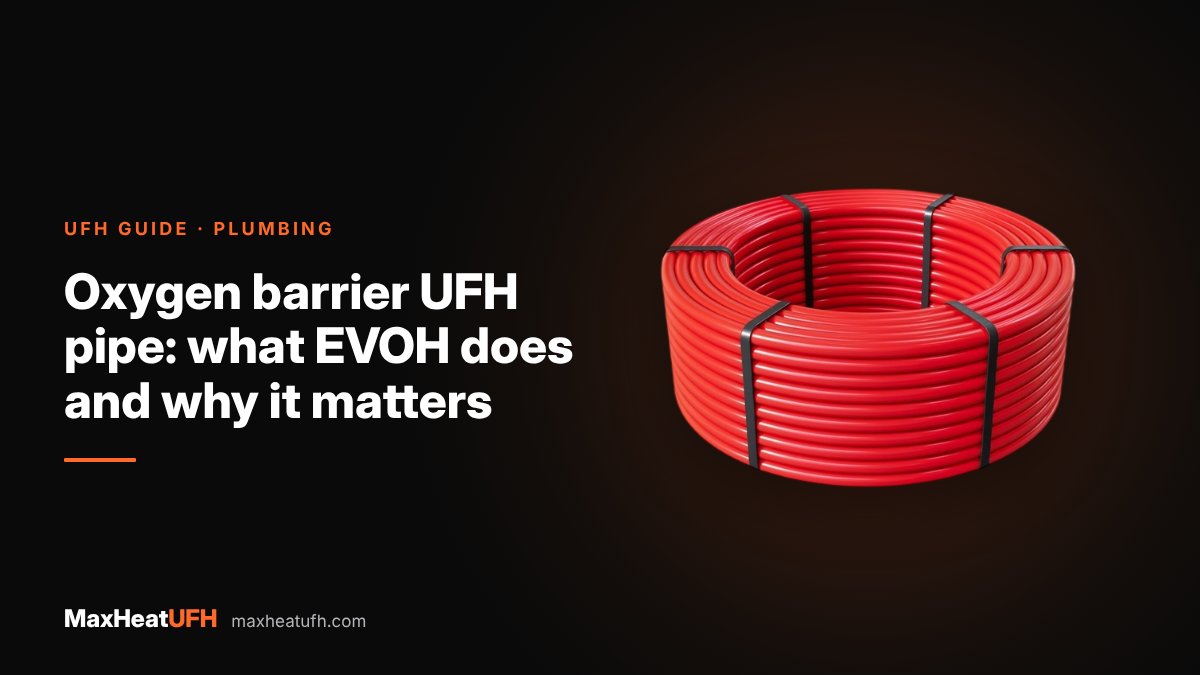
EVOH is a plastic that blocks oxygen very well. It is extruded as a thin layer on or inside PE-RT pipe and bonded to it with an adhesive layer. Aluminium does the same job in multilayer pipe, as a solid metal layer between two layers of PE-RT.
| Pipe | Barrier | Where it sits | Handling |
|---|---|---|---|
| 3-layer PERT-EVOH | EVOH | Outside of the pipe | Flexible, springs back a little |
| 5-layer PERT-EVOH | EVOH | Middle of the wall | Flexible, barrier protected |
| PERT-AL-PERT multilayer | Aluminium | Middle of the wall | Holds a bend |
All three keep oxygen out to DIN 4726. One manufacturer describes the aluminium layer in its multilayer pipe as a 100% oxygen-proof barrier that goes beyond the DIN 4726 requirement. The practical differences are in handling: multilayer pipe stays where you bend it, which helps on overlay boards and tight returns, while PERT-EVOH is softer, comes on longer coils and is quick to lay in screed. Our guide to multilayer pipe covers MLCP in more detail.
What is the difference between 3-layer and 5-layer PERT-EVOH?
The difference is where the EVOH sits. On 3-layer pipe it is on the outside; on 5-layer pipe it is sealed in the middle of the wall with PE-RT on both sides.
- 3-layer: PE-RT, adhesive, EVOH. Our 3-layer pipe comes in 10, 12, 16 and 20mm sizes, on coils up to 500m in 16mm, and is rated to 6 bar at 70°C with a short-term peak of 95°C.
- 5-layer: PE-RT, adhesive, EVOH, adhesive, PE-RT. Our 5-layer pipe is 16 x 2.0mm on 200m and 400m coils, rated to 6 bar at 70°C and 10 bar at 20°C.
The outer layer of any pipe takes the knocks. One pipe maker points out that the outer layer can quickly be damaged by scratches and abrasion, especially when laying large areas. With the barrier in the middle, it is protected from scuffs and wear. A pipe maker's data sheet for 5-layer PE-RT shows the same build: the outer PE layer shields the EVOH.
So which should you buy? 3-layer is good value and works well where the pipe is laid carefully, for example clipped to insulation or pressed into boards. Choose 5-layer where the pipe will be dragged across a rough floor, pushed into notched or castellated panels, or walked on before the screed goes down.
How do I protect the barrier during installation?
Treat the pipe surface with care until it is covered. Most barrier damage happens on site, not in service.
- Uncoil, do not drag. Use a pipe decoiler so the coil turns and the pipe lays out straight, rather than pulling it across the floor.
- Keep the floor clean. Sweep away screws, grit and offcuts before laying.
- Protect walkways. Lay boards over pipe where people will walk before the screed, and do not wheel barrows over bare pipe.
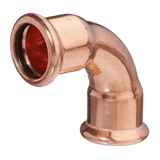
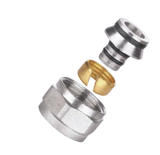
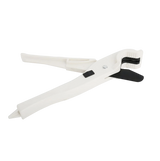
- Cut square and clean. Use a proper pipe cutter and fit the matching Eurocone or press fitting, so the end is sealed.
- Pressure test before covering. Test the loops and keep them under pressure during the screed pour. Our pressure testing guide shows how.
What if my existing underfloor heating has no oxygen barrier?
Check the print along the pipe first. Barrier pipe is usually marked with its type and often with a DIN 4726 reference. If it is old plain plastic pipe with no barrier, you cannot add one, so the aim is to protect the rest of the system.
- Keep the water treated. Dose with inhibitor at the right strength and test it at each service. Our guide to inhibitor, biocide and antifreeze explains what to use.
- Clean out sludge. Flush the loops and fit a magnetic filter on the return to the heat source.
- Follow DIN 4726's principle. Where pipe is above the oxygen limit, the system designer needs to add other corrosion protection. Ask a heating engineer to look at the whole system, especially before you fit a new boiler or heat pump.
If you are relaying a floor anyway, replace the pipe with barrier pipe. It is the cheapest part of the system to get right and the hardest to change later.
Design your UFH system yourself in 3 minutes with MaxHeatUFH ProLoop and get an instant quick design and quote. Choose PERT-EVOH or multilayer pipe and see the coils you need. Start your design
Frequently asked questions
Do I need oxygen barrier pipe for underfloor heating?
Yes. Any system with iron or steel parts, which is nearly every boiler or heat pump system, needs barrier pipe to stop oxygen corroding them.
What does EVOH stand for?
Ethylene vinyl alcohol. It is a plastic that blocks oxygen, extruded as a thin layer on or inside the pipe.
Is PERT-EVOH or PERT-AL-PERT better?
Both keep oxygen out to DIN 4726. PERT-AL-PERT holds a bend, which helps on boards and tight returns. PERT-EVOH is softer and comes on longer coils, which suits screed.
Is 5-layer pipe worth the extra cost?
Where the pipe may be scuffed during the install, yes. The barrier sits inside the wall, so it is protected. On careful clipped or board installs, 3-layer pipe is fine.
Can the EVOH layer be damaged?
On 3-layer pipe the barrier is on the outside, so deep scratches or abrasion can damage it. Handle it with care and protect it until it is covered.
Does oxygen barrier pipe mean I do not need inhibitor?
No. The barrier slows oxygen through the pipe wall, but the manifold, pump and heat source still need inhibitor to protect them.
What is the DIN 4726 oxygen limit?
0.32mg per m² of pipe surface per day at 40°C, and 3.60mg at 80°C.
Products in this guide
Watch how each part works and how to fit it, and download its data sheet and install manual.




Every data sheet and manual: Product Library · All videos: MaxHeatUFH on YouTube
Design it in MaxHeatUFH ProLoop
Add your rooms, choose screed, overlay, joisted or electric, and get a free quick design and full kit list with prices.