








Underfloor heating in rental properties: what landlords need to know
A landlord's guide to underfloor heating in lets: the gas and electrical safety checks that apply, EPC rules, which systems and controls suit tenants, maintenance to plan, and what to tell tenants at check-in.
Short answer: Underfloor heating works well in rental property: it is hidden, hard to damage and needs little routine maintenance. Landlords still have the same legal duties as with any heating, including an annual gas safety check on a gas boiler and, in England, an electrical inspection at least every 5 years. The practical keys are simple controls tenants can understand, a written guide to the system, and keeping the manifold accessible for checks.
Landlords often ask whether underfloor heating is worth fitting in a let, or how to look after it once tenants are in. Done well, it removes radiators from walls, frees up space for furniture and gives tenants an even, comfortable heat. Done badly, it leads to call-outs from tenants who turn the thermostat up and down and think the system is broken because it warms slowly.
This guide covers the legal checks that apply, the energy rating rules, which systems suit lets, how to choose controls, what maintenance to plan for, and what to tell tenants. It focuses on England, with notes where the other UK nations differ.
Is underfloor heating a good idea in a rental property?
Yes, in most cases. The pipes or cables are buried in the floor, so there is nothing for tenants to knock, paint over or hang washing on, and nothing that blocks furniture. The main things to get right are the floor system, the controls and the handover to tenants.
| Point | Water (wet) UFH | Electric UFH |
|---|---|---|
| Best for | Whole flats and houses | Bathrooms, en-suites, small kitchens |
| Running cost (October 2026 price cap) | Runs on gas at 7.97p/kWh or a heat pump | Electricity at 26.32p/kWh |
| Routine checks | System pressure, manifold, pump | Very little beyond the electrical inspection |
| Who works on it | Heating engineer; Gas Safe engineer for gas appliances | Qualified electrician |
Prices are the Ofgem October 2026 price cap unit rates (GB average, direct debit). Electric underfloor heating is cheap to fit but costs more per kWh to run, so it usually makes most sense in small rooms where tenants want warm tiles. For a whole property, water underfloor heating on a boiler or heat pump is the usual choice. Our water vs electric underfloor heating guide compares them in more detail.
What safety checks do landlords need with underfloor heating?
The same checks as any heated rental. Underfloor heating does not add new legal duties, but the heat source and the electrics behind it are covered by existing rules.
- Gas safety. If the system runs from a gas boiler, the Health and Safety Executive says you need an annual gas safety check by a Gas Safe registered engineer, within 12 months of the previous one. Give existing tenants a copy of the record within 28 days of the check, and new tenants a copy before they move in. Keep records for at least two years.
- Electrical safety (England). Under the government's electrical safety standards for the private rented sector, the electrics must be inspected and tested at least every 5 years by a properly qualified person, and tenants must be given proof of the inspection. This covers the fixed wiring that feeds electric underfloor heating, the wiring centre, pump and thermostats on a water system.
- Scotland, Wales and Northern Ireland have their own private rented sector rules. Check the current requirements with your local authority or the relevant government website.
Any new electric underfloor heating must have its final connection made by a qualified electrician under Part P and BS 7671. Ask them for the certificate and keep it with your property records.
Does underfloor heating affect the minimum EPC rating for lets?
It can help, but it is the heat source and insulation that move the rating most. Domestic private rented property in England and Wales must currently have an EPC of at least band E, unless a valid exemption is registered on the PRS exemptions register. Penalties for letting a non-compliant property can be up to £5000.
When you fit underfloor heating, two things tend to improve the EPC as well:
- Floor insulation. Most underfloor heating systems include insulation under the pipe or board, which cuts heat loss through the floor.
- Better controls. Room-by-room thermostats and a programmer give tenants better control of when and where they heat.
Pairing water underfloor heating with a heat pump usually has the largest effect. See underfloor heating, EPC rating and house value for more.
Which underfloor heating controls are best for tenants?
Choose clear, simple thermostats in each room, with sensible limits set by you. Tenants change often, so the controls should be easy to understand without a manual.
- One thermostat per room or zone. Building Regulations guidance for new heating systems expects thermostatic room controls in each room, with zoning allowed in some cases. It also gives tenants control over the rooms they use.
- Programmable, not only manual. A programmable thermostat such as the Heatmiser neoStat V3 lets you set a sensible default schedule.
- Remote access, with care. A hub such as the Heatmiser neoHub G3 lets thermostats be controlled from an app. Agree in writing who has access. Tenants pay the bills and should control their own heating.
- Frost protection. Make sure frost protection is on, so the system protects the property during empty periods between tenancies.
On a water system all the thermostats connect to a wiring centre such as the Heatmiser UH8, which switches the actuators, the pump and the boiler. Our guide to underfloor heating thermostats explains the options.
What maintenance does underfloor heating need in a let?
Very little, but plan for a few checks so small problems are found early. The pipe in the floor itself needs no routine maintenance. The parts that need attention are at the manifold and the heat source.
- At each gas safety visit or service: ask the engineer to look at the manifold for weeps, check the system pressure on the gauge and check the pump runs.
- At the start of each heating season: check every room warms up and every thermostat calls for heat. A room that stays cold often points to a stuck actuator.
- Between tenancies: reset thermostats to your default schedule, check the time and date, and replace thermostat batteries on wireless models.
- Every few years: have the inhibitor level checked by a heating engineer, and topped up if needed.
Keep the manifold in a cupboard tenants can reach but are asked not to block with storage. Our underfloor heating maintenance guide gives the full checklist.
What should landlords tell tenants about underfloor heating?
Give a one-page guide at check-in. Most call-outs on underfloor heating in lets come from tenants using it like radiators, not from faults.
- It is slower to warm up. A screed floor can take hours to reach temperature. Leave the schedule running rather than switching it on when you get home.
- Do not keep turning it up. A higher setting does not make the floor heat faster.
- Rugs and furniture. Avoid large thick rugs and furniture with no legs over big areas of floor.
- Where the manifold is. Tell them where it is, what the pressure gauge should read, and to report any drips.
- Who to call. Give a contact for heating faults, and say they must not let anyone drill or fix into the floor.
Keep a copy of the floor layout and loop plan with your property file. It helps any contractor avoid the pipes if a floor ever needs to be lifted or fixed into.
Design your UFH system yourself in 3 minutes with MaxHeatUFH ProLoop and get an instant quick design and quote. Useful when you are pricing a refurbishment between tenants. Start your design
Frequently asked questions
Who is responsible for repairing underfloor heating in a rental?
Your tenancy agreement and housing law set this out, so check yours and take advice if you are unsure. In practice, landlords should plan to arrange any repairs, so that tenants are not booking their own contractors to work on the system.
Do tenants need to do anything to maintain underfloor heating?
Only basic things: use the thermostats sensibly, keep the manifold cupboard clear, keep the floor uncovered by large thick rugs and report drips or cold rooms promptly.
Can tenants damage underfloor heating?
It is hard to damage, because the pipes are under the floor. The main risks are drilling or nailing into the floor and fitting a new floor finish without telling the landlord. Make both a condition of the tenancy.
Is underfloor heating covered by the annual gas safety check?
The check is for gas appliances such as the boiler. The underfloor pipework itself is not a gas appliance, but you can ask the engineer to look at the manifold and pressure at the same visit.
Does electric underfloor heating need an electrical inspection?
In England, the fixed electrical installation in a private let must be inspected and tested at least every 5 years. Electric underfloor heating is part of that fixed installation.
Can I get trade prices on underfloor heating for my portfolio?
Yes. MaxHeatUFH offers trade accounts with trade prices. Email sales@maxheatufh.com with details of your properties.
Does MaxHeatUFH install underfloor heating in rental properties?
MaxHeatUFH does not install, but passes installs to vetted, approved installers across the UK. Ask for an installation quote.
Sources: HSE: landlords' gas safety record, GOV.UK: electrical safety standards in the private rented sector, Cornwall Council: minimum energy efficiency standards, Approved Document L volume 1 (heating controls), Ofgem energy price cap
Products in this guide
Watch how each part works and how to fit it, and download its data sheet and install manual.


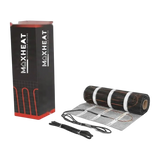

Every data sheet and manual: Product Library · All videos: MaxHeatUFH on YouTube

Design it in MaxHeatUFH ProLoop
Add your rooms, choose screed, overlay, joisted or electric, and get a free quick design and full kit list with prices.


